Grooming Tips
Winter Coat Care: Mud, Grit, Matting and the Big Question of the Winter Clip
· The Crate Escape Team · 5 min read
Should you clip your dog shorter for winter? Our take, plus how to stop wet walks and road grit turning a nice coat into a matted one.
"Should I let them grow it out for winter?" We get asked this more than anything else once the clocks go back. It sounds like it should have a simple answer. It doesn't, quite.
Short, long, or somewhere in between?
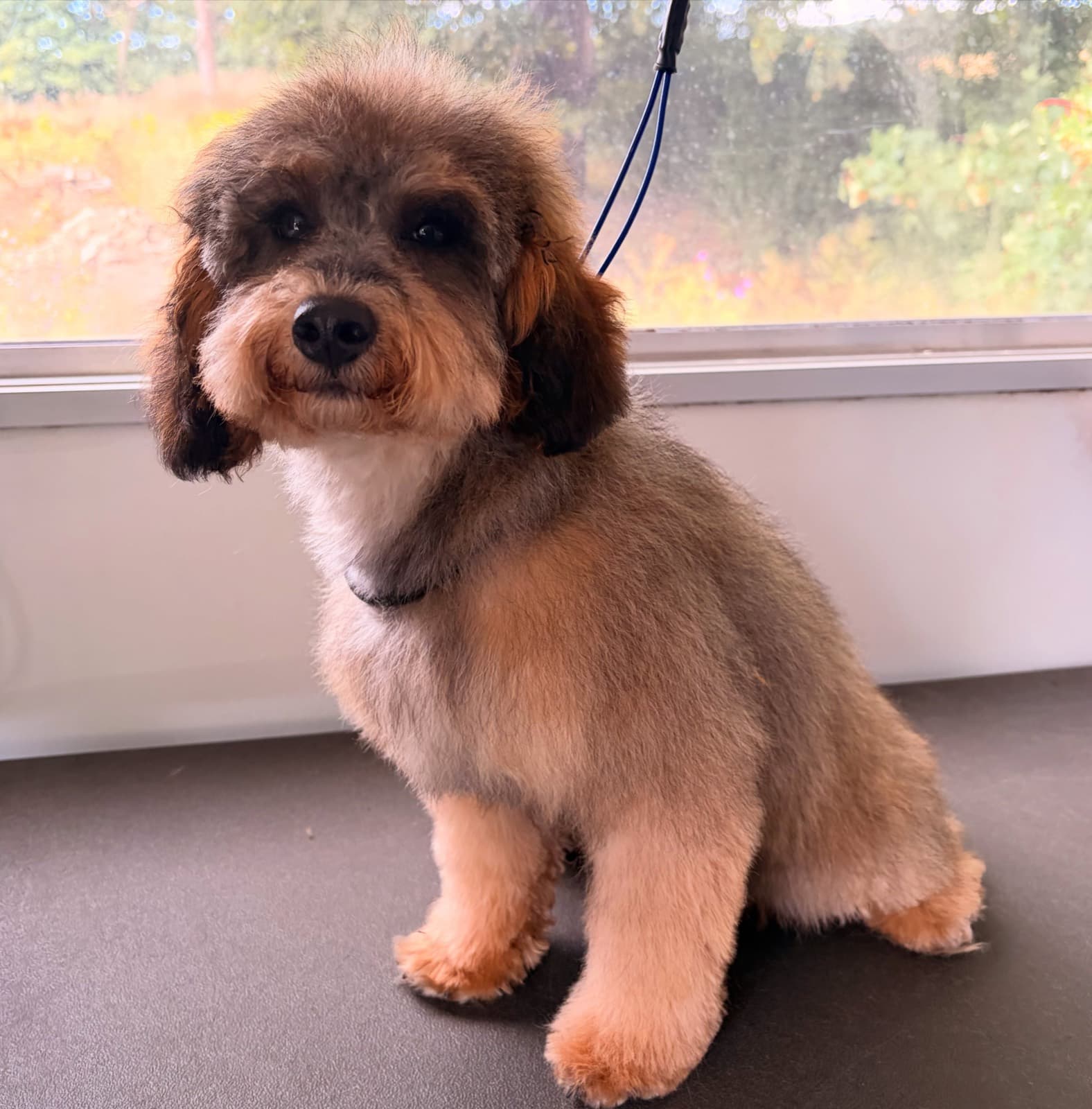
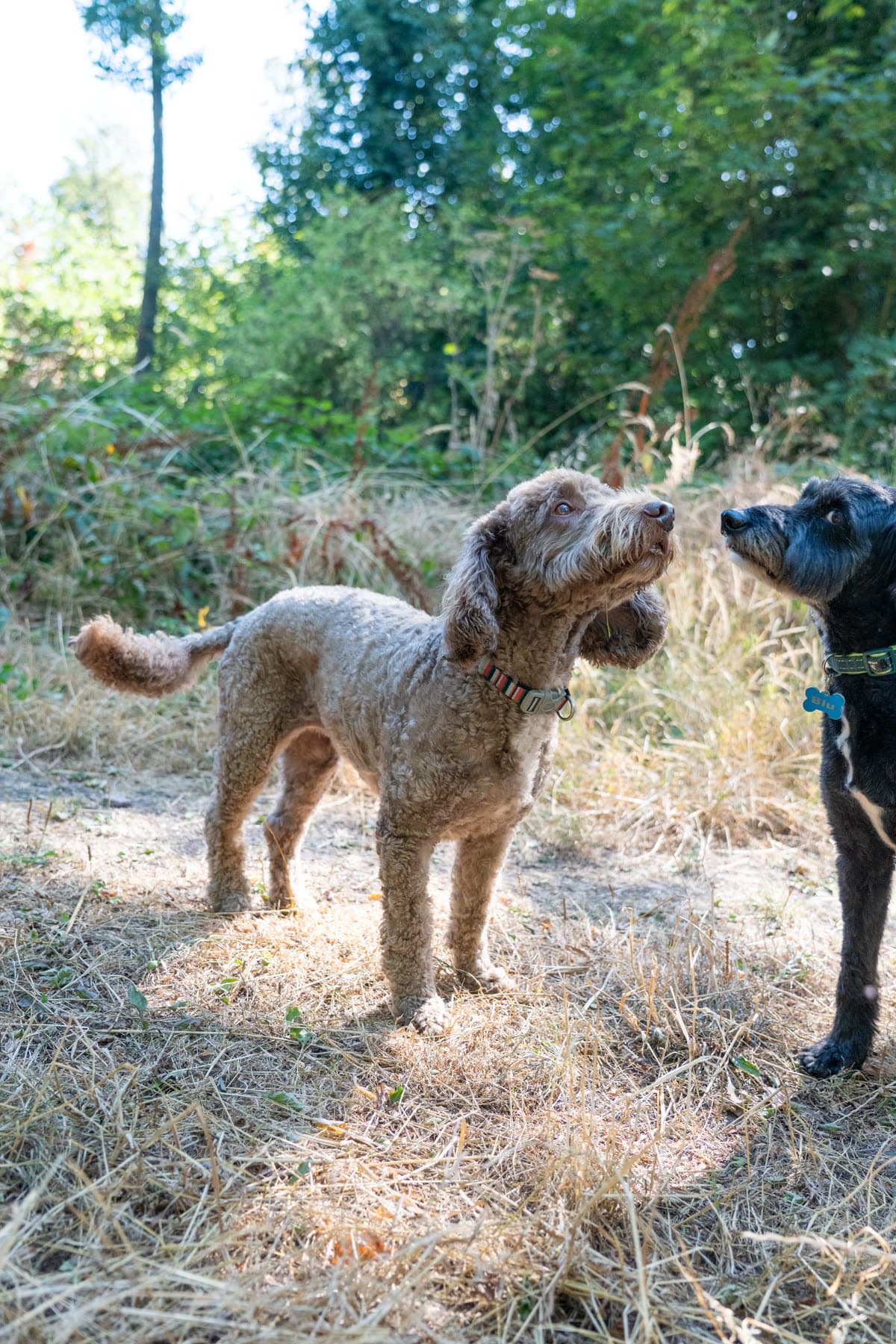
For most curly-coated dogs (cockapoos, cavapoos, doodles, poodle crosses of all kinds), we'd go for the middle. Shaving them right down leaves them with very little between them and a wet, freezing field. But letting the coat grow long and hoping for the best is usually worse. Long curly hair that doesn't get brushed through properly mats, mats hold water against the skin, and a dog with a damp, matted coat is a cold dog.
So the length we normally suggest is one you can actually get a comb through, right to the skin, at home. Feet, legs and tummy a bit shorter so they bring less of the field back with them.
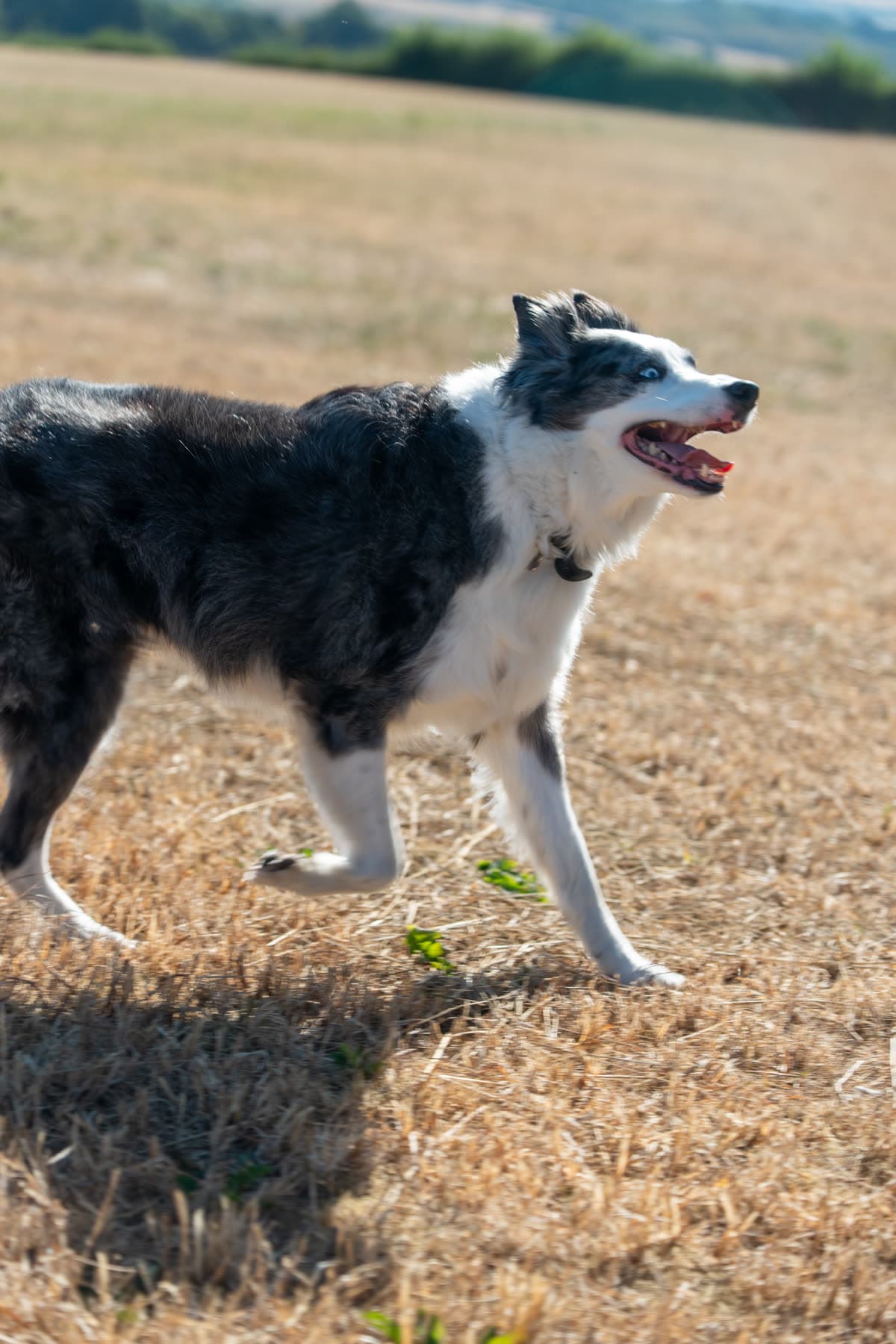
Double-coated breeds are a different story. Collies, spaniels, huskies and the like shouldn't be shaved for winter. That thick undercoat is what keeps them warm. They need a good deshed and regular brushing, not a clipper.
Why winter is matting season
Wet hair tangles. Winter hair is wet most of the time. Add a harness or a coat rubbing the same patches every single day and you've got the perfect recipe. The places we find mats most often:
- Behind the ears and around the collar.
- Armpits, and wherever the harness straps sit.
- The backs of the legs, and between the toes.
- Anywhere a dog coat or jumper rubs, so check under it, not just over it.
Two or three proper brushes a week on those spots makes a huge difference. A quick once-over on top doesn't count. You need to get down to the skin.
Drying off
Towel them off when you get in, and don't skip the legs, belly and feet. If your dog will put up with a hairdryer on a cool setting, even better. A coat that stays damp overnight is where most of the trouble starts.
Paws, grit and antifreeze
Road salt is rough on pads. It dries them out, it can crack them, and it's not something you want your dog licking off their feet afterwards. A quick rinse in lukewarm water after a walk on gritted pavements, then dry between the toes, sorts most of it. Paw balm helps if the pads are looking dry. Keep the fur between the pads trimmed short too, or snow and ice ball up in it and they end up hobbling.
One more winter thing: antifreeze. It's sweet, dogs will lick it, and it's very poisonous. If you see a puddle on a drive or in a car park, steer well clear.
How often to groom over winter
For curly coats, every four to six weeks keeps things manageable between visits. If you want your dog done before Christmas, get it booked in now, because December gets busy. New grooming clients always start with a free consultation, so we can have a look at the coat together and decide on a length that works for the next few months.
Ready to say hello?
Book now